
As you navigate the complexities of modern urban planning, you might be surprised to learn that technology parks are emerging as a key strategy for driving economic growth, innovation, and community engagement. These vibrant ecosystems bring together startups, established companies, and research institutions, fostering a culture of collaboration and creativity that can transform the way we live and work. By exploring the concept of technology parks, you'll gain a deeper understanding of how to create a thriving tech ecosystem in your city.
What are Technology Parks and Why Do They Matter?
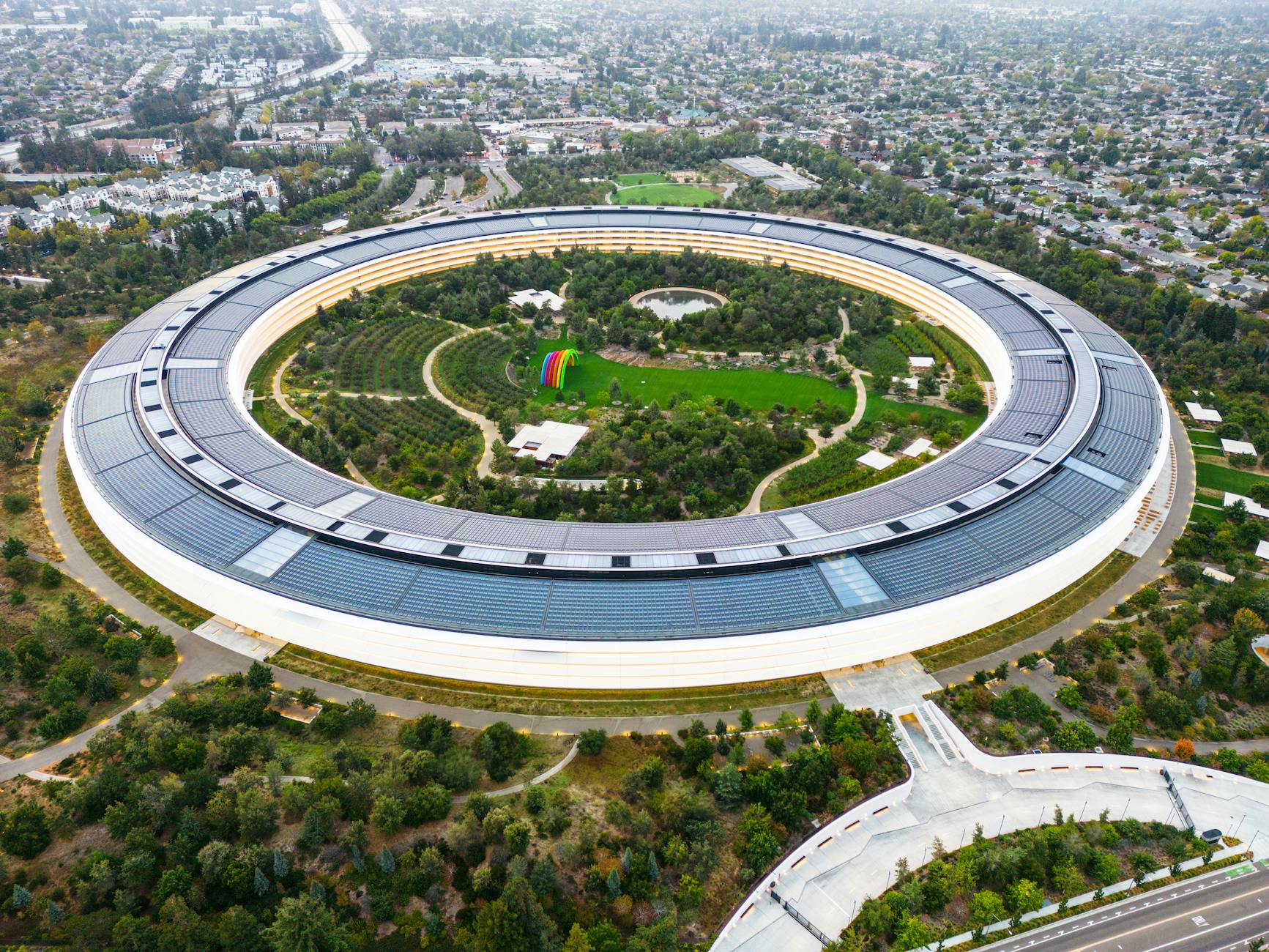
Technology parks, also known as tech hubs or innovation districts, are designated areas that concentrate technology companies, startups, and research institutions. These parks are designed to promote innovation, entrepreneurship, and economic growth by providing a supportive environment that encourages collaboration, knowledge-sharing, and creativity. A prime example is Silicon Valley, which has become synonymous with tech innovation and entrepreneurship. With over 20,000 startups and a valuation of over $2.5 trillion, Silicon Valley is a testament to the power of technology parks.Key Factors in Creating a Successful Technology Park
So, what makes a technology park successful? It starts with a clear vision, a strong leadership team, and a well-designed physical space that fosters collaboration and creativity.Designing for Collaboration and Creativity
A well-designed technology park should include a mix of office spaces, co-working facilities, and public areas that encourage interaction and knowledge-sharing. For instance, the Boston Innovation District, a 265-acre park in Massachusetts, features a range of office spaces, public parks, and amenities like cafes and fitness centers. This approach helps to create a sense of community and facilitates the exchange of ideas between startups, established companies, and research institutions.Step-by-Step Guide to Building a Technology Park
Building a successful technology park requires careful planning and execution. Here are some best practices to consider:- Develop a clear vision and strategy: Define the park's mission, goals, and target industries to ensure a focused approach.
- Engage with stakeholders: Build relationships with local government, businesses, and community leaders to ensure support and buy-in.
- Design a vibrant and inclusive space: Create a physical environment that fosters collaboration, creativity, and community engagement.
- Provide access to resources and funding: Offer startups and established companies access to funding, mentorship, and talent to help them grow and thrive.
- Foster a culture of innovation: Encourage experimentation, risk-taking, and knowledge-sharing to drive innovation and entrepreneurship.
Common Mistakes to Avoid
When building a technology park, it's essential to avoid common pitfalls that can hinder success. These include: Lack of clear vision and strategy: Failing to define the park's mission and goals can lead to confusion and a lack of focus.
Insufficient funding and resources: Not providing adequate funding and resources can limit the park's growth and impact.
- Poor design and infrastructure: A poorly designed physical space can hinder collaboration and creativity.
Frequently Asked Questions
Q: What are the benefits of technology parks?Technology parks drive innovation, economic growth, and collaboration, creating jobs, stimulating local economies, and fostering a culture of entrepreneurship.
Q: How do technology parks support startups?
Technology parks provide startups with access to funding, mentorship, and talent, helping them to grow and thrive.
Q: What makes a technology park successful?
A successful technology park requires a clear vision, strong leadership, and a well-designed physical space that fosters collaboration and creativity.
Q: Can technology parks be replicated in any city?
While technology parks can be adapted to different cities and regions, their success depends on factors like local talent, infrastructure, and government support.
Final Thoughts
As you consider building a technology park in your city, remember that it's a complex and multifaceted endeavor that requires careful planning, collaboration, and a deep understanding of the local ecosystem. By following best practices, avoiding common pitfalls, and fostering a culture of innovation, you can create a thriving tech ecosystem that drives economic growth, innovation, and community engagement. Take the first step today by engaging with local stakeholders, defining a clear vision, and designing a vibrant and inclusive space that will help your city thrive in the years to come.

