
You might be surprised to learn that technology parks, also known as tech hubs or innovation districts, are a driving force behind some of the world's most significant technological advancements. These carefully curated ecosystems bring together startups, established companies, and research institutions to foster collaboration, creativity, and innovation. By reading this article, you'll gain a deeper understanding of what makes technology parks tick and how you can apply these principles to create a thriving innovation hub.
What is a Technology Park?
A technology park is a designated area that provides a supportive environment for technology-based businesses, startups, and research institutions to grow and thrive. These parks offer a range of benefits, including access to funding, talent, and infrastructure, as well as opportunities for collaboration and knowledge-sharing. For example, Silicon Valley, one of the most famous technology parks in the world, is home to over 20,000 startups and has created an estimated $3 trillion in economic value.Key Factors in Creating a Successful Technology Park
So, what makes a technology park successful? It all comes down to a combination of factors, including a strong talent pool, access to funding, and a culture of innovation and collaboration.Building a Strong Talent Pool
A technology park needs a steady supply of skilled professionals to drive innovation and growth. This can be achieved by partnering with local universities and research institutions to provide internships, apprenticeships, and job training programs. For instance, the University of California, Berkeley, has a strong partnership with the nearby Silicon Valley, providing students with hands-on experience and companies with access to top talent.Step-by-Step Guide to Creating a Technology Park
Creating a thriving technology park requires careful planning and execution. Here are some practical steps to follow:- Conduct a feasibility study: Assess the local economy, talent pool, and infrastructure to determine the viability of a technology park.
- Develop a business plan: Outline the park's mission, goals, and financial projections, as well as strategies for attracting and retaining businesses and talent.
- Secure funding: Identify potential funding sources, such as government grants, private investors, and corporate sponsors.
- Build a strong leadership team: Assemble a team with experience in technology, business, and economic development to oversee the park's growth and operations.
Best Practices for Technology Park Development
To create a successful technology park, consider the following best practices:- Foster a culture of innovation: Encourage collaboration, creativity, and experimentation among park residents.
- Provide access to resources: Offer state-of-the-art infrastructure, funding opportunities, and business support services.
- Build a strong community: Organize events, networking opportunities, and mentorship programs to connect park residents and promote knowledge-sharing.
Common Mistakes to Avoid
When developing a technology park, it's essential to avoid common pitfalls, such as:- Lack of clear vision: Failing to define a clear mission and goals for the park can lead to confusion and stagnation.
- Insufficient funding: Underestimating the financial requirements for park development and operations can lead to financial struggles.
- Poor marketing: Failing to effectively promote the park and its benefits can make it difficult to attract businesses and talent.
Frequently Asked Questions
Q: What is the difference between a technology park and an innovation hub?While the terms are often used interchangeably, a technology park typically refers to a physical area with a concentration of technology-based businesses and research institutions, whereas an innovation hub can refer to a broader ecosystem that includes coworking spaces, incubators, and accelerators.
Q: How do technology parks contribute to economic growth?
Technology parks drive economic growth by creating jobs, stimulating innovation, and attracting investment. They also provide a platform for businesses to collaborate and access new markets.
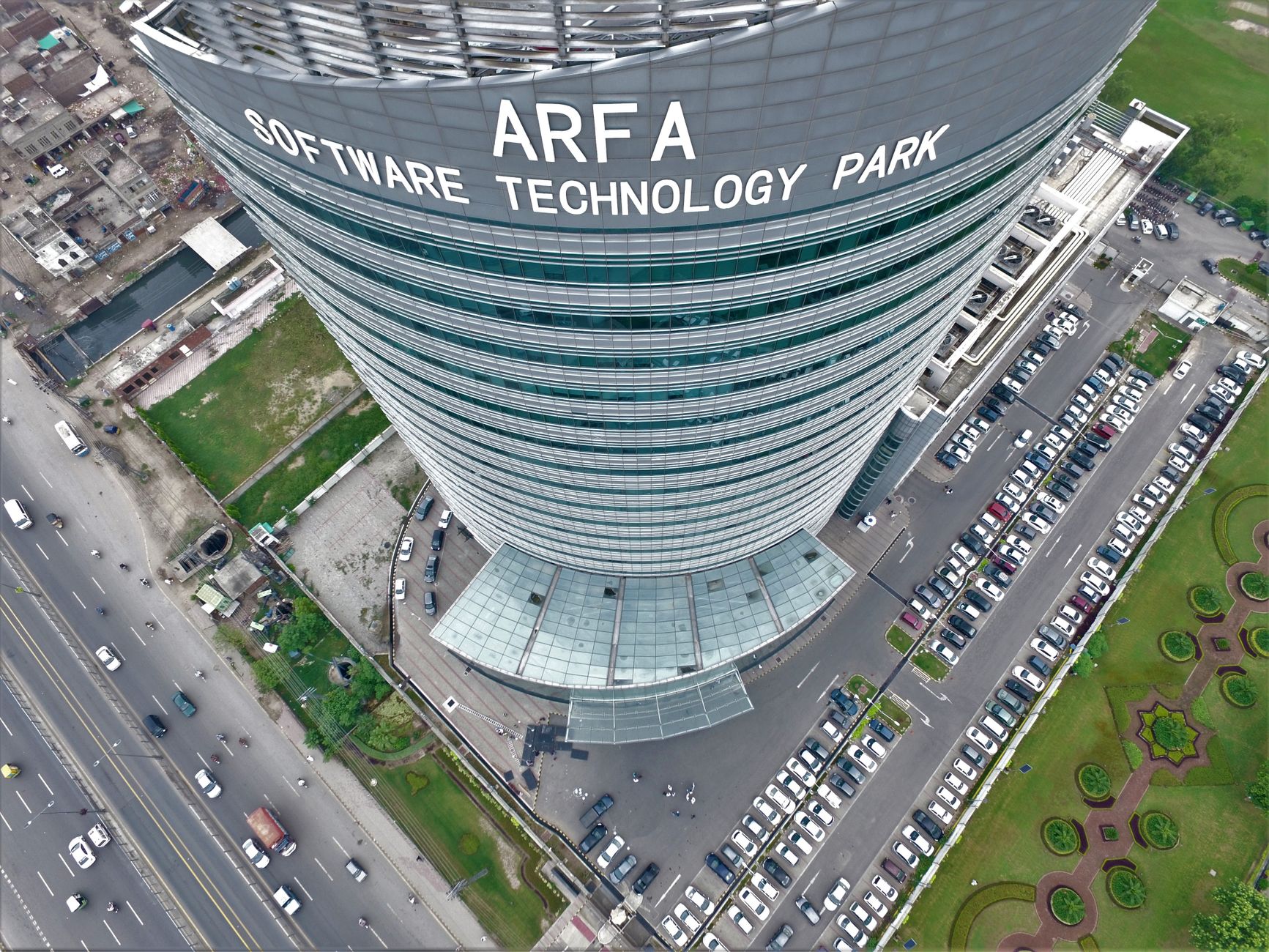
Q: What are some examples of successful technology parks?
Some notable examples of successful technology parks include Silicon Valley, Boston's Innovation District, and Singapore's One-North.
Q: How can I get involved in a technology park?
You can get involved in a technology park by exploring job opportunities, networking with park residents, or considering starting your own business in the park.
Final Thoughts
Creating a thriving technology park requires careful planning, collaboration, and a deep understanding of what drives innovation and growth. By following the principles outlined in this article, you can help create a vibrant ecosystem that supports the development of new technologies, businesses, and jobs. Take the first step today by researching local technology parks and exploring opportunities to get involved. As technology continues to evolve, one thing is certain – the future of innovation will be shaped by the technology parks of today.

