
You might be surprised to learn that technology parks, also known as innovation hubs, are a driving force behind some of the world's most significant technological advancements. These specially designed areas bring together entrepreneurs, startups, and established companies to collaborate, innovate, and grow. By reading this article, you'll gain a deeper understanding of what makes technology parks tick and how they can benefit your business or entrepreneurial endeavors.
What are Technology Parks and How Do They Work?
Technology parks are designated areas that provide a supportive environment for technology-based businesses to develop, innovate, and commercialize new products and services. These parks typically offer a range of resources, including state-of-the-art infrastructure, networking opportunities, and access to funding. For example, Silicon Valley in California is one of the most famous technology parks in the world, home to tech giants like Apple, Google, and Facebook. With over 20,000 startups and a $1 trillion economy, Silicon Valley is a prime example of the impact technology parks can have on local and global economies.Key Factors in Creating a Successful Technology Park
So, what makes a technology park successful? It's not just about providing a physical space; it's about creating an ecosystem that fosters innovation, collaboration, and growth. Here are some key factors to consider:The Importance of Infrastructure
A well-designed infrastructure is crucial for a technology park. This includes not only modern office spaces and high-speed internet but also amenities like coworking spaces, incubators, and accelerators. For instance, the Singapore Science Park offers a range of facilities, including research labs, testing facilities, and office spaces, to support the growth of technology-based businesses.Best Practices for Building a Thriving Technology Park
If you're looking to create a technology park, here are some best practices to keep in mind:- Develop a clear vision and strategy: Define the park's mission, goals, and target industries to ensure a focused approach.
- Foster a strong sense of community: Encourage collaboration and networking among residents through events, programs, and amenities.
- Provide access to funding and resources: Offer support for startups and entrepreneurs, such as incubators, accelerators, and funding opportunities.
- Invest in modern infrastructure: Ensure that the park has state-of-the-art facilities, including high-speed internet, office spaces, and amenities.
Common Mistakes to Avoid
When creating a technology park, it's essential to avoid common mistakes that can hinder growth and success. Here are a few pitfalls to watch out for: Lack of clear vision or strategy: Without a clear direction, technology parks can struggle to attract and retain businesses.
Insufficient infrastructure: Outdated or inadequate facilities can hinder innovation and growth.
- Poor networking opportunities: Limited opportunities for collaboration and networking can lead to a lack of engagement among residents.
Frequently Asked Questions
Q: What are the benefits of technology parks for startups?Technology parks offer startups access to resources, funding, and networking opportunities, which can help them grow and succeed. They also provide a supportive environment that fosters innovation and collaboration.
Q: How do technology parks contribute to economic growth?
Technology parks drive economic growth by creating jobs, stimulating innovation, and attracting investment. They also contribute to the development of new industries and technologies.
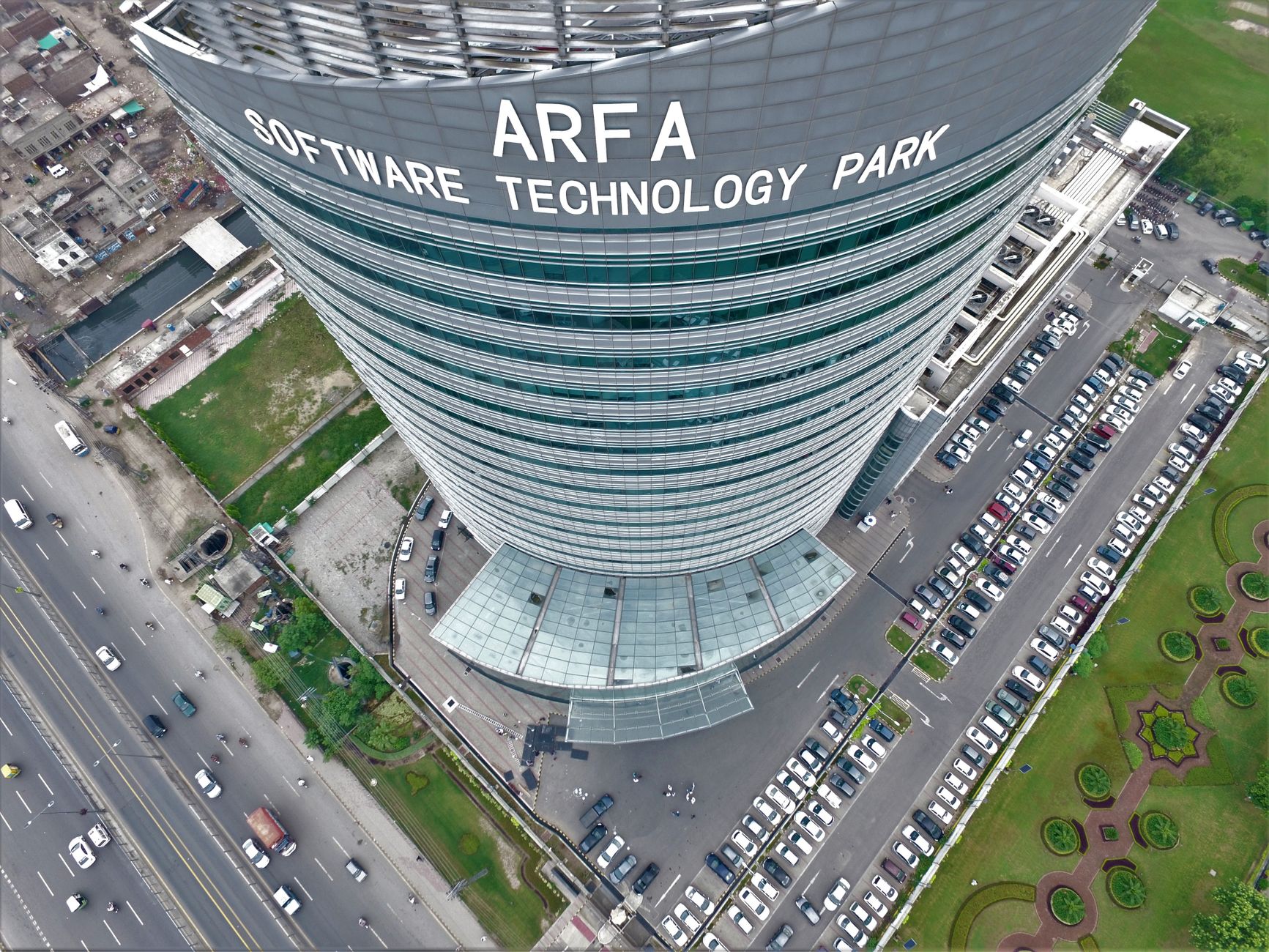
Q: What makes a technology park successful?
A successful technology park requires a clear vision, strong infrastructure, and a supportive ecosystem that fosters innovation and collaboration.
Q: Can technology parks be adapted to different industries or sectors?
Yes, technology parks can be adapted to various industries or sectors, including biotechnology, clean energy, or fintech. The key is to tailor the park's resources and infrastructure to meet the specific needs of the industry.
Final Thoughts
In conclusion, technology parks are powerful drivers of innovation, economic growth, and collaboration. By understanding the key factors, best practices, and common mistakes to avoid, you can create a thriving technology park that benefits your business, community, and the wider economy. If you're looking to establish a technology park or join an existing one, now is the time to take action – research local opportunities, connect with industry leaders, and start building a brighter future for yourself and your business.

