You're probably no stranger to the frustration of slow internet speeds, dropped calls, or failed data transfers. But did you know that a single misconfigured connection can bring your entire network to its knees? With the average business losing around $5,000 per minute of downtime, it's crucial to get your technology connections right.
Understanding the Core Concept of Technology Connections
At its heart, technology connections refer to the physical and virtual links that enable communication and data exchange between devices, systems, and networks. A well-designed connection can make all the difference in ensuring seamless data transfer, voice clarity, and overall network performance. For instance, a study by Gartner found that organizations with high-quality network infrastructure experience 30% fewer downtime incidents than those with subpar connections.Key Factors in Technology Connections
So, what makes a technology connection efficient and reliable? Let's break it down:The Importance of Bandwidth and Latency
When it comes to data transfer, two critical factors come into play: bandwidth and latency. Bandwidth refers to the amount of data that can be transmitted over a connection in a given time, usually measured in megabits per second (Mbps). Latency, on the other hand, is the delay between data transmission and reception, measured in milliseconds (ms). A connection with high bandwidth but high latency can still result in poor performance, while a connection with low bandwidth but low latency might be sufficient for certain applications.Step-by-Step Guide to Optimizing Technology Connections
Here's how to optimize your technology connections:- Assess your current infrastructure: Take stock of your existing connections, including cables, routers, switches, and wireless access points. Identify areas for improvement and prioritize upgrades.
- Choose the right cables: Select cables that match your network requirements, considering factors like bandwidth, distance, and interference. For example, Cat6 cables offer better performance than Cat5e for high-speed applications.
- Configure your router: Ensure your router is properly configured for optimal performance. This includes setting up Quality of Service (QoS) policies to prioritize critical traffic.
- Implement a robust security plan: Protect your connections from cyber threats by implementing firewalls, intrusion detection systems, and encryption.
Best Practices for Managing Technology Connections
To get the most out of your technology connections, follow these best practices:- Monitor performance: Regularly monitor your connection speeds, latency, and packet loss to identify potential issues before they become major problems.
- Use network segmentation: Divide your network into smaller segments to improve security, reduce congestion, and increase overall performance.
- Invest in redundancy: Consider implementing redundant connections or failover systems to ensure business continuity in case of outages or failures.
Common Mistakes to Avoid in Technology Connections
Don't fall into these common traps: Insufficient bandwidth: Underestimating your bandwidth needs can lead to slow speeds and poor performance.
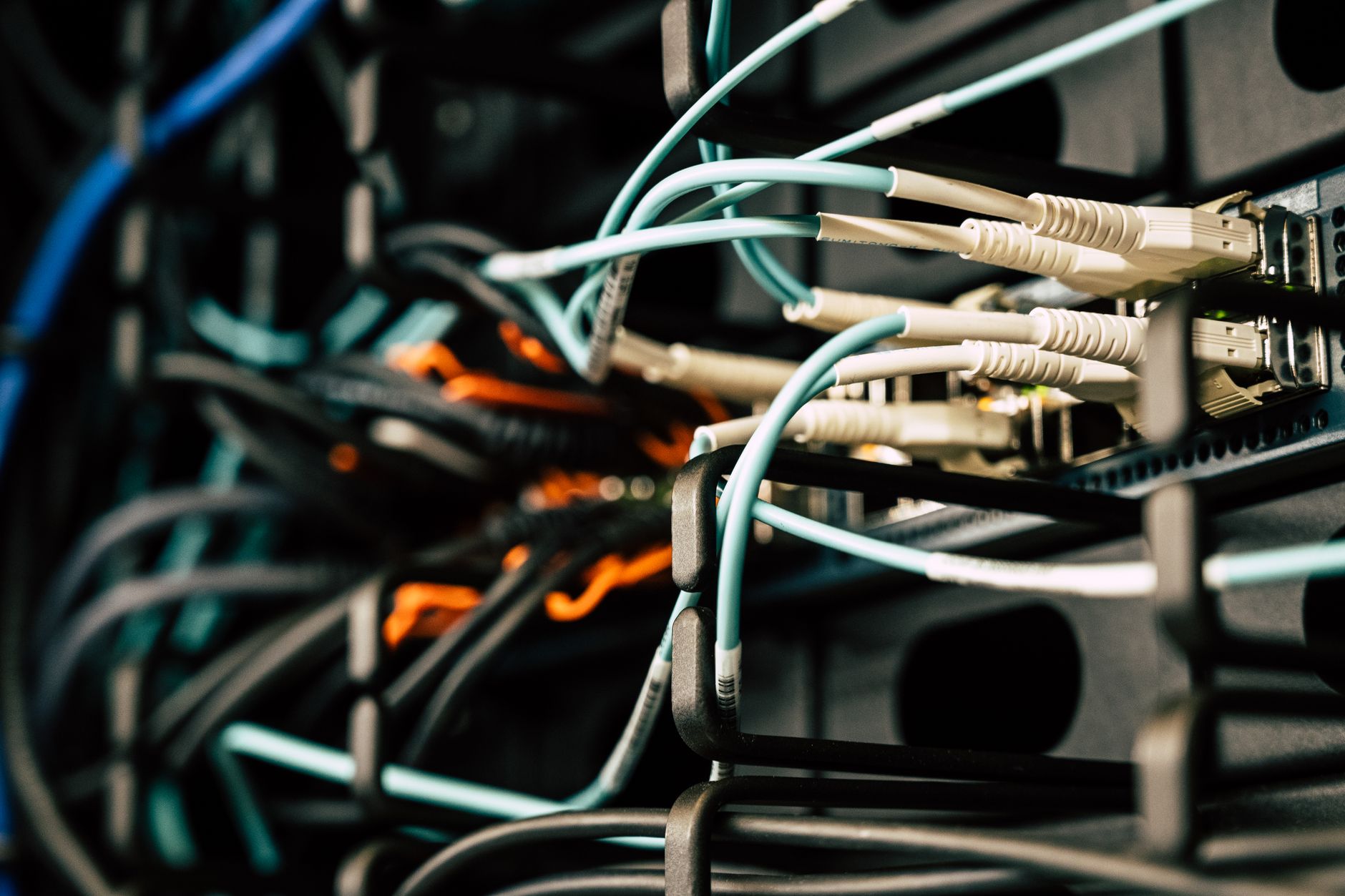
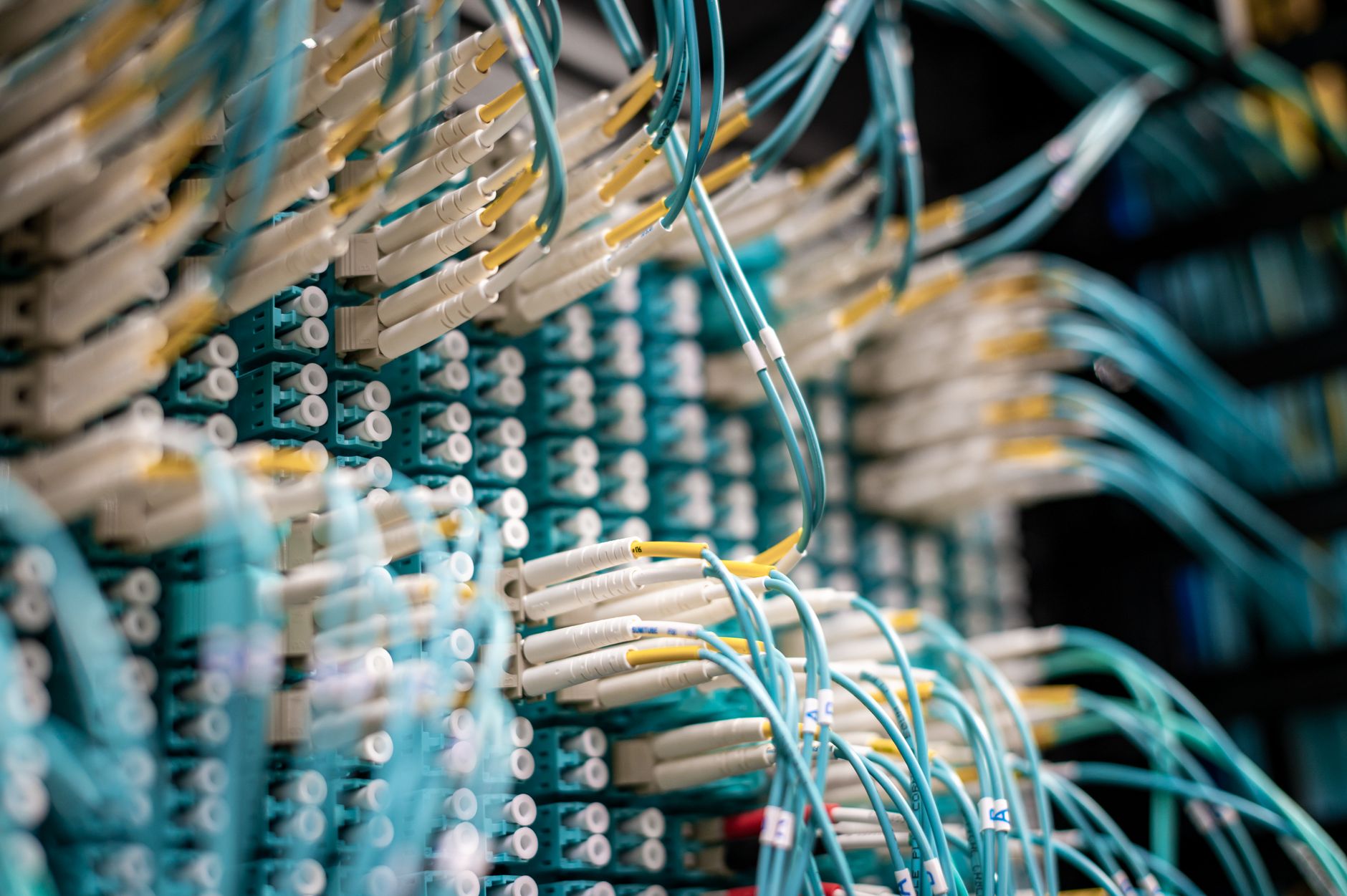
Poor cable management: Failing to properly manage cables can result in damage, interference, and downtime.
- Inadequate security: Neglecting to implement robust security measures can leave your connections vulnerable to cyber threats.
Frequently Asked Questions
Q: What's the difference between a hub and a switch?A hub broadcasts incoming data to all connected devices, while a switch intelligently directs data to the intended recipient, reducing collisions and improving performance.
Q: How do I choose the right wireless access point for my business?
Consider factors like coverage area, device density, and required features (e.g., QoS, VLAN support) when selecting a wireless access point.
Q: Can I use a consumer-grade router for my business network?
While possible, consumer-grade routers often lack the features, security, and reliability required for business use. Consider investing in a commercial-grade router for better performance and support.
Final Thoughts
By understanding the core concepts of technology connections and following best practices, you can significantly improve your network's efficiency, reliability, and overall performance. Take the first step towards optimizing your connections today by assessing your current infrastructure and identifying areas for improvement – your business will thank you.