
You might be surprised to learn that many groundbreaking technologies were initially developed with a different purpose in mind. For instance, the internet was originally designed to facilitate communication between government and academic researchers. Similarly, the microwave oven was invented by accident when a scientist was testing a magnetron, a device that generates microwaves. These examples illustrate the concept of technology transfer, where existing knowledge or technology is applied to a new field or industry. By mastering technology transfer, you can unlock new opportunities for innovation and growth.
What is Technology Transfer?
Technology transfer refers to the process of transferring existing technology, knowledge, or intellectual property from one organization or industry to another. This can involve the exchange of ideas, expertise, or physical technology, such as patents, software, or equipment. The goal of technology transfer is to accelerate innovation, improve efficiency, and drive business growth by applying existing knowledge to new areas.

For example, a university researcher might develop a new material with unique properties, which could be used in a variety of applications, from aerospace to medical devices. By transferring this technology to a company that specializes in medical devices, the researcher and the company can collaborate to develop new products that benefit society.
Key Factors in Successful Technology Transfer
Successful technology transfer requires a deep understanding of the technology, the market, and the needs of the recipient organization. Here are some key factors to consider:
Identifying Opportunities
The first step in technology transfer is to identify opportunities where existing technology can be applied to a new area. This requires a thorough analysis of the technology, the market, and the needs of potential recipients. You should consider factors such as the technology's maturity, its potential impact, and the level of interest from potential recipients.
Step-by-Step Guide to Technology Transfer
Here are the steps to follow for a successful technology transfer:
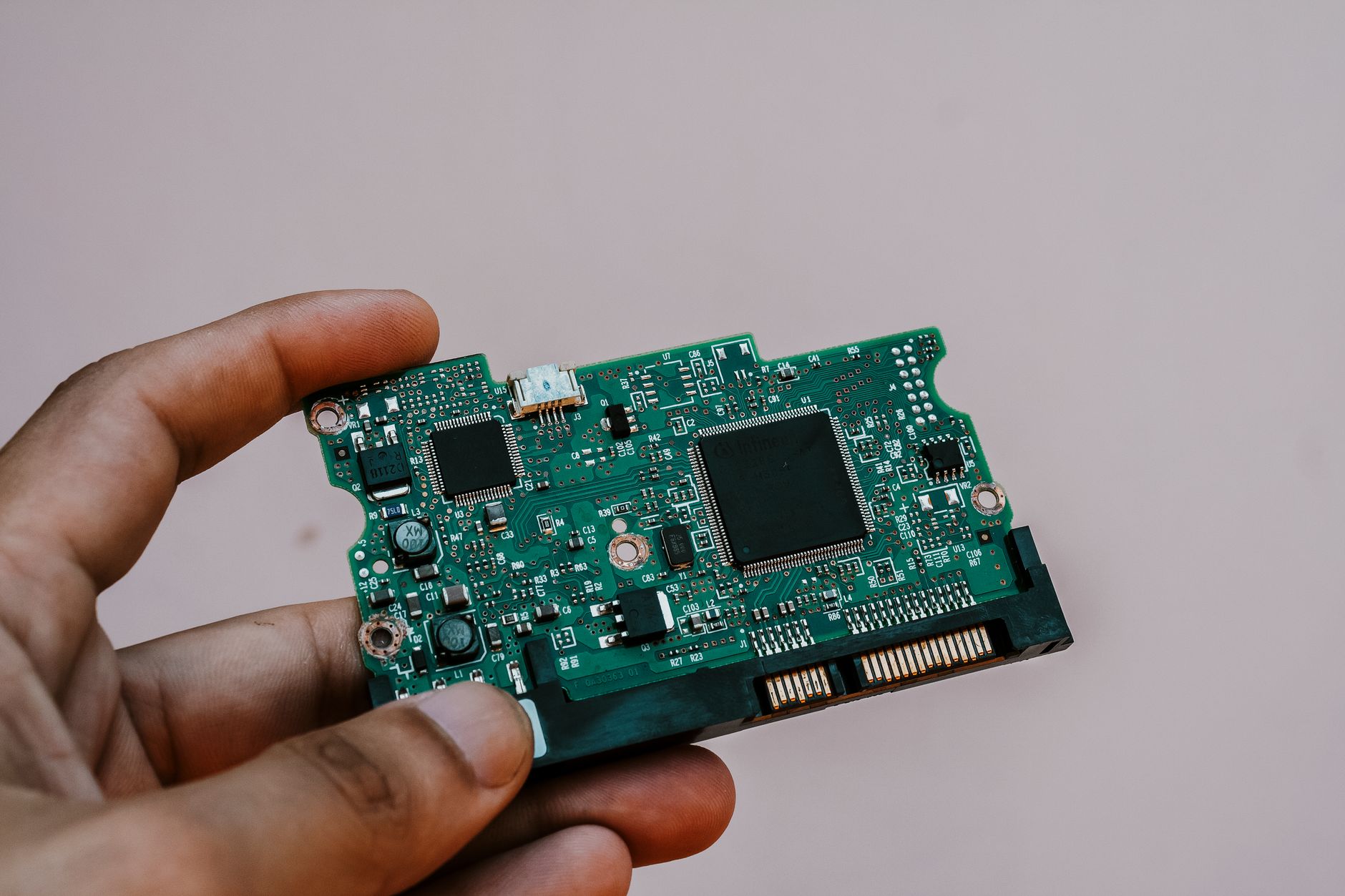
- Conduct a thorough analysis: Assess the technology, the market, and the needs of potential recipients to identify opportunities for technology transfer.
- Develop a clear strategy: Define the goals, objectives, and timelines for the technology transfer, and establish a clear plan for implementation.
- Build partnerships: Collaborate with organizations that have the expertise, resources, and interest to apply the technology in a new area.
- Negotiate agreements: Establish clear agreements that define the terms of the technology transfer, including intellectual property rights, licensing fees, and royalties.
- Provide support: Offer technical support, training, and other resources to help the recipient organization successfully apply the technology.
Best Practices for Technology Transfer
Here are some best practices to keep in mind:
- Establish clear goals and objectives: Define what you want to achieve through technology transfer, and ensure that all parties are aligned.
- Build trust and relationships: Foster strong relationships with potential recipients, and establish trust through transparent communication and fair agreements.
- Protect intellectual property: Ensure that intellectual property rights are clearly defined and protected, to prevent disputes and unauthorized use.
- Monitor and evaluate: Regularly monitor and evaluate the technology transfer process, to ensure that it is meeting its goals and objectives.
Common Mistakes to Avoid
Here are some common mistakes to avoid in technology transfer:
- Lack of clear goals and objectives: Failing to define clear goals and objectives can lead to confusion and misunderstandings.
- Insufficient communication: Poor communication can lead to mistrust and disputes.
- Inadequate intellectual property protection: Failing to protect intellectual property rights can lead to unauthorized use and disputes.
- Inflexibility: Being inflexible can lead to failed partnerships and unsuccessful technology transfer.
Frequently Asked Questions
Q: What is the difference between technology transfer and licensing?
Technology transfer involves the transfer of existing technology, knowledge, or intellectual property from one organization or industry to another, while licensing involves granting permission to use intellectual property, such as patents or copyrights.
Q: How do I identify opportunities for technology transfer?
You can identify opportunities for technology transfer by analyzing existing technologies, markets, and industries, and looking for areas where existing knowledge can be applied to drive innovation and growth.

Q: What are the benefits of technology transfer?
The benefits of technology transfer include accelerated innovation, improved efficiency, and business growth, as well as the creation of new products, services, and jobs.
Q: How can I protect my intellectual property during technology transfer?
You can protect your intellectual property during technology transfer by establishing clear agreements that define intellectual property rights, licensing fees, and royalties, and by working with experienced professionals, such as lawyers and patent attorneys.
Final Thoughts
Mastering technology transfer can be a powerful way to drive innovation, growth, and competitiveness. By understanding the key factors, following best practices, and avoiding common mistakes, you can successfully transfer existing technology to new areas and create new opportunities for growth. Take the first step today by assessing your existing technologies and identifying opportunities for technology transfer. With the right approach, you can unlock the full potential of technology transfer and drive business success.
