
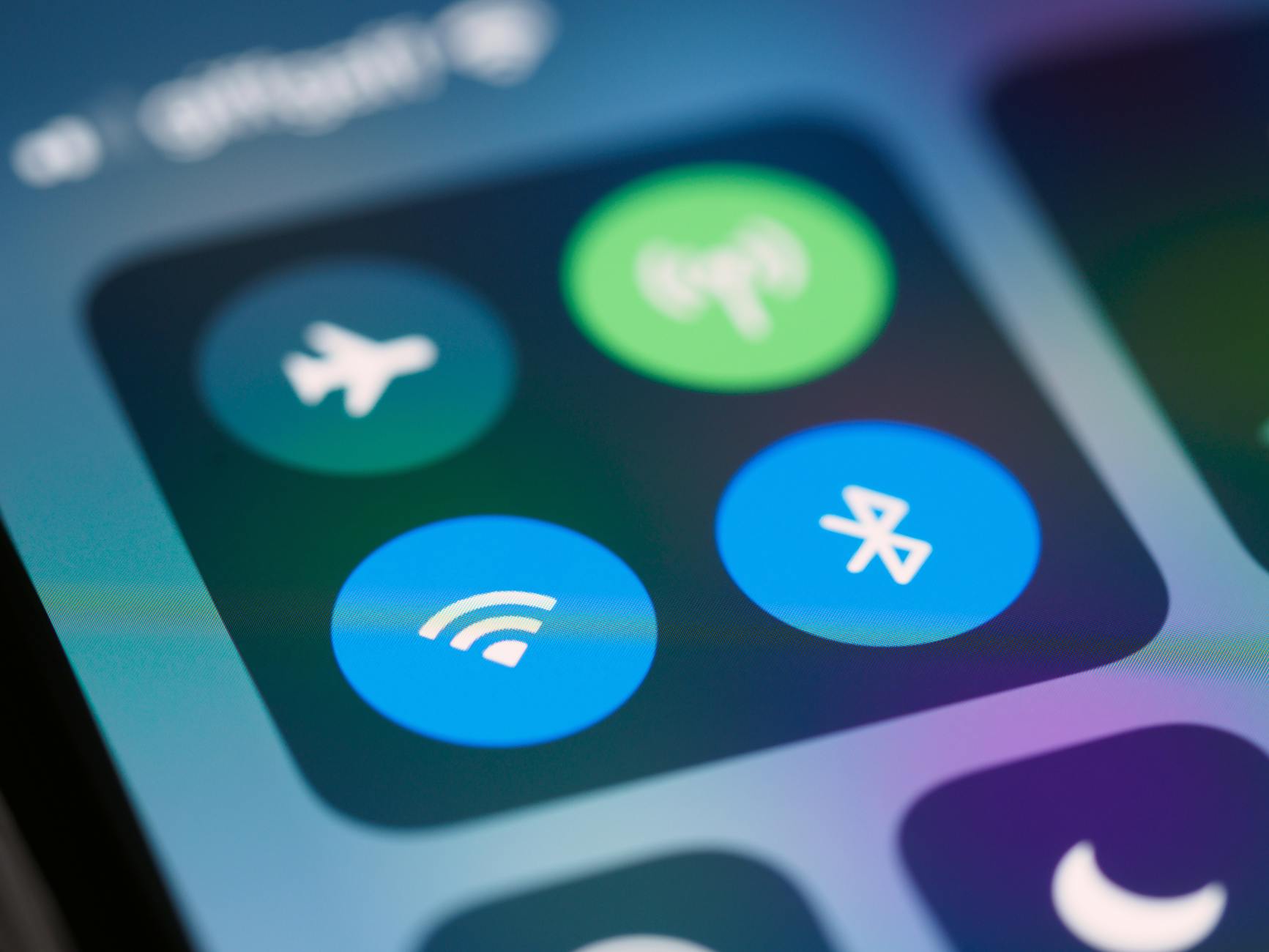
You might be surprised to learn that some of the most recognizable technology icons were designed with simplicity in mind, yet they've become an integral part of our daily lives. The humble power button, the ubiquitous Wi-Fi symbol, or the recycle icon – all have become synonymous with their functions. But have you ever stopped to think about the meanings behind these symbols, or how to use them effectively in your designs?
Understanding the Core Concept of Technology Icons
At their core, technology icons are visual representations of complex concepts, designed to be instantly recognizable and easily understandable. They play a crucial role in simplifying our interactions with technology, enabling us to navigate digital interfaces, and communicate ideas efficiently. Take, for instance, the universally recognized symbol for "recycling." This simple icon, consisting of three chasing arrows, has become a staple on packaging and products worldwide, conveying the importance of environmental sustainability.

Key Factors: How Technology Icons Work and Why They Matter
The effectiveness of technology icons lies in their ability to transcend language barriers and cultural differences. A well-designed icon can convey its meaning instantly, making it an essential tool in user interface (UI) design, educational materials, and even marketing campaigns.
The Psychology Behind Icon Recognition
The human brain processes visual information much faster than text, which is why icons are so effective in communication. When you see a familiar icon, your brain immediately associates it with a specific action or concept, allowing you to react quickly. This instantaneous recognition is what makes technology icons so powerful.Step-by-Step Guide to Using Technology Icons
Here are some best practices for incorporating technology icons into your designs or presentations:
- Keep it Simple: The most effective icons are those that are simple and easy to understand. Avoid clutter and ensure that your icons are scalable without losing clarity.
- Be Consistent: Use icons consistently across your platform or presentation. This helps in building recognition and avoids confusion.
- Test for Universality: Ensure that your chosen icons are recognizable to your target audience. Testing with a small group can help identify any potential issues.
Common Mistakes to Avoid When Using Technology Icons
One of the most common mistakes is assuming that an icon's meaning is universally understood. Cultural differences and personal experiences can affect how icons are perceived. For example, the "thumbs up" icon, commonly used to signify approval or like, might not have the same positive connotation in all cultures.
Frequently Asked Questions
Q: What makes a technology icon universally recognizable?
A universally recognizable technology icon is simple, clear, and transcends language barriers. Its design should be straightforward, making it easily understandable across different cultures and age groups.
Q: Can I create my own technology icons?
Yes, you can create your own technology icons, but ensure they are simple, scalable, and tested for recognition. It's also essential to consider copyright and licensing issues.
Q: How do I choose the right technology icon for my project?
Choosing the right icon involves understanding your audience, the context in which the icon will be used, and ensuring it aligns with your project's message. Testing with a small segment of your audience can provide valuable feedback.
Q: Are there any standard guidelines for technology icon design?
While there are no strict standards, best practices include keeping icons simple, consistent in style, and ensuring they are easily scalable. Adhering to these guidelines can enhance the effectiveness of your icons.
Final Thoughts
Mastering the use of technology icons can significantly enhance your visual communication skills, making your messages clearer and more engaging. As technology continues to evolve, the role of icons in our digital interactions will only grow. Start experimenting with technology icons in your designs today, and you'll quickly see the impact they can have on your audience's engagement and understanding.

