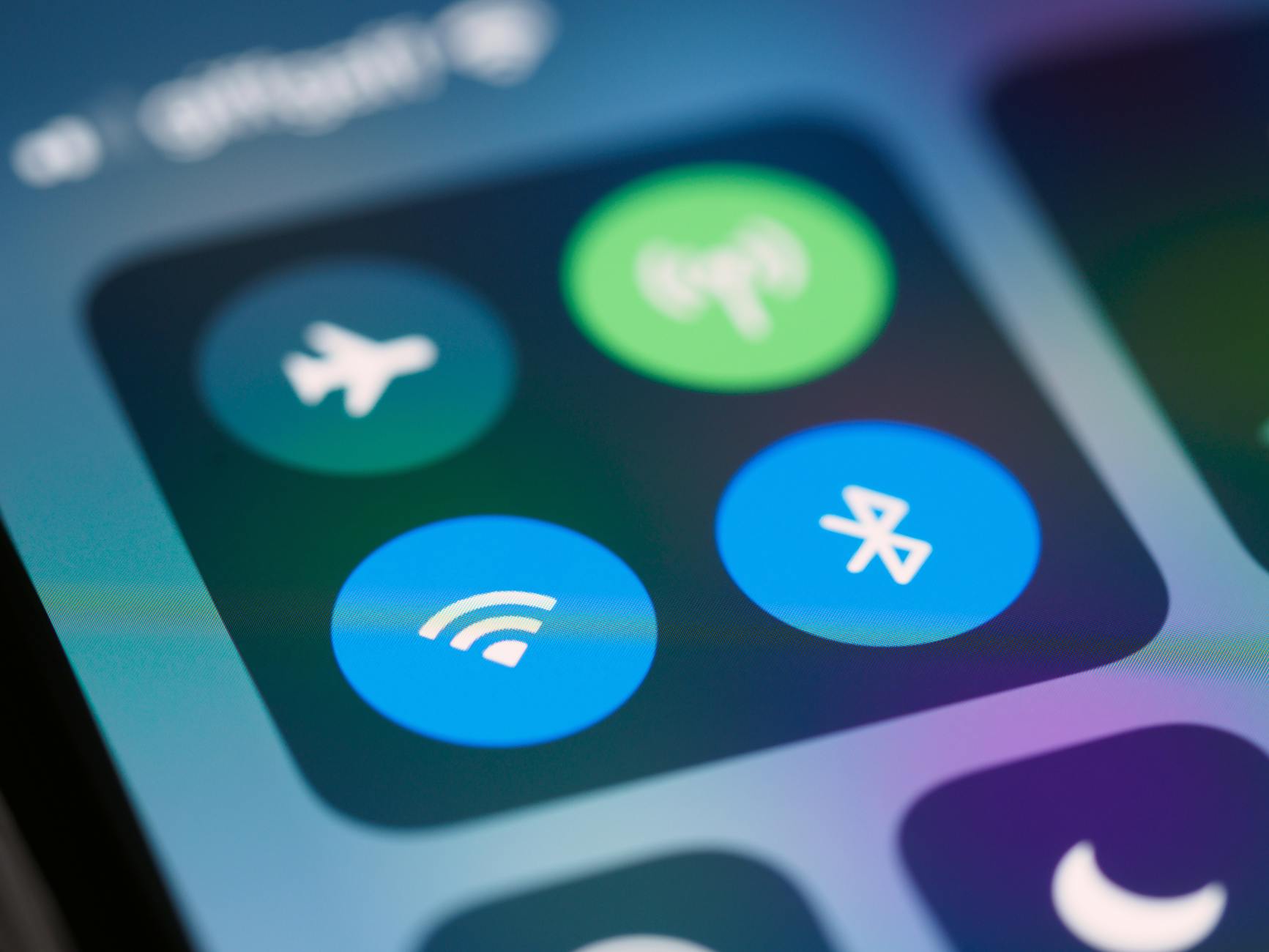
You might be surprised to learn that some of the most recognizable technology icons, like the Wi-Fi symbol or the recycle icon, have fascinating stories behind their creation. These tiny visual elements play a significant role in shaping our digital interactions and understanding of complex systems. As you explore the world of technology icons, you'll gain a deeper appreciation for their importance in design and communication.
What Are Technology Icons and Why Matter?
Technology icons are visual representations of complex concepts, objects, or actions that help users quickly understand and interact with digital systems. A prime example is the universally recognized symbol for Wi-Fi, which has become synonymous with wireless internet connectivity. With thousands of icons in use today, it's clear that they have become an essential part of our digital language.Understanding the Core Concept of Technology Icons
The fundamental purpose of technology icons is to facilitate clear communication and intuitive interaction between users and digital systems. For instance, the " Settings" icon on your smartphone, often represented by a gear or cog, instantly conveys the idea of adjusting or configuring device options. Effective icons like these reduce cognitive load, making it easier for you to navigate complex digital environments.Key Factors in Creating Effective Technology Icons
When designing or selecting technology icons, several factors come into play.The Importance of Simple and Consistent Design
A well-designed icon should be simple, yet distinctive. The logo for the popular web browser, Google Chrome, is a great example. Its simple and colorful design makes it easily recognizable across various platforms. Consistency in design is also crucial; icons within a system or product should share a unified visual language to avoid confusing users.Best Practices for Using Technology Icons
Here are some best practices to keep in mind:- Keep it simple: Avoid clutter and ensure your icons are easily recognizable at various sizes.
- Use color wisely: Select colors that align with your brand identity and are accessible to users with color vision deficiency.
- Test for clarity: Validate your icons with real users to ensure they understand the intended meaning.
- Be consistent: Establish a clear visual language for your icons and stick to it across your product or system.
Common Mistakes to Avoid in Technology Icon Design
One common pitfall is creating icons that are too abstract or ambiguous, leading to user confusion. For example, an icon that looks like a mix of a trash can and a recycling bin might confuse users about its intended action. Another mistake is neglecting to consider cultural or linguistic differences that might affect icon interpretation.Frequently Asked Questions
Q: What makes a technology icon universally recognizable?A universally recognizable technology icon typically combines simple design with a clear and consistent visual language that transcends cultural and linguistic barriers.
Q: How do I choose the right color for my technology icon?
When selecting a color for your technology icon, consider your brand identity, accessibility requirements, and the icon's intended meaning. Ensure the color is distinguishable from the background and aligns with your product's visual identity.

Q: Can I use technology icons from different sources in my project?
While you can use existing technology icons, it's essential to verify their licensing terms and ensure consistency in design and style. Using icons from a single source or creating custom icons can help maintain a cohesive visual language.
Q: How do I test the effectiveness of my technology icons?
Conduct user testing and gather feedback to validate the clarity and effectiveness of your technology icons. This can involve A/B testing different icon designs or gathering user input through surveys or interviews.
Final Thoughts
As you continue to explore the world of technology icons, remember that mastering their design and use can significantly enhance user experience and communication. Start by evaluating your current icon usage and consider implementing best practices to create a more intuitive and visually appealing digital environment. With the ever-evolving landscape of technology, staying informed about icon design trends and best practices will help you stay ahead in creating effective digital interactions.