The rollout of 5G networks is happening at a breakneck pace, but you might still be wondering what all the fuss is about. You're not alone – many people are still trying to understand the real impact of 5G on their daily lives. Here's the thing: 5G is not just a incremental upgrade to 4G; it's a seismic shift that will fundamentally change the way you interact with mobile technology.
What is 5G and How Does it Work?
5G networks represent the fifth generation of wireless network technology, promising faster data speeds, lower latency, and a massive increase in connectivity. At its core, 5G uses a new radio frequency band, known as millimeter wave (mmWave), to transmit data at speeds that are significantly faster than 4G. For example, 5G can deliver peak speeds of up to 20 Gbps, while 4G typically tops out at around 1 Gbps.Key Benefits of 5G Networks
The benefits of 5G are numerous, but one of the most significant advantages is its potential to enable a wide range of new use cases that aren't possible with 4G.Massive Machine-Type Communications
One of the most exciting aspects of 5G is its ability to support massive machine-type communications (mMTC). This means that 5G networks can handle a vast number of devices, making it possible to connect everything from smart home appliances to industrial sensors. For instance, a single 5G cell site could potentially support up to 1 million devices per square kilometer.Step-by-Step Guide to Understanding 5G
Here's a step-by-step guide to help you understand the key components of 5G:- Radio Access Network (RAN): The RAN is the part of the network that connects your device to the rest of the network. In 5G, the RAN is designed to be more flexible and scalable, allowing for a wider range of use cases.
- Network Slicing: Network slicing is a key feature of 5G that allows multiple virtual networks to run on top of a single physical network. This enables different use cases to be supported on the same network, each with its own set of performance characteristics.
- Edge Computing: Edge computing is a critical component of 5G, as it enables data to be processed closer to where it's generated. This reduces latency and improves performance, making it possible to support applications that require real-time processing.
Best Practices for Implementing 5G
If you're planning to implement 5G in your organization, here are some best practices to keep in mind:- Assess Your Needs: Before deploying 5G, it's essential to assess your organization's needs and determine how 5G can help you achieve your goals.
- Choose the Right Use Case: Not all use cases are created equal when it comes to 5G. Focus on use cases that can benefit from the unique capabilities of 5G, such as low latency or massive connectivity.
- Partner with a Reliable Vendor: Choosing the right vendor is critical to a successful 5G deployment. Look for vendors with a proven track record of delivering 5G solutions.
Common Mistakes to Avoid
While 5G offers many benefits, there are also some common mistakes to avoid:- Underestimating Security Risks: 5G networks are more complex than 4G, which means they also introduce new security risks. Make sure you're taking steps to mitigate these risks and protect your network.
- Overlooking Network Planning: 5G requires a different approach to network planning than 4G. Make sure you're taking into account the unique characteristics of 5G, such as its use of mmWave frequencies.
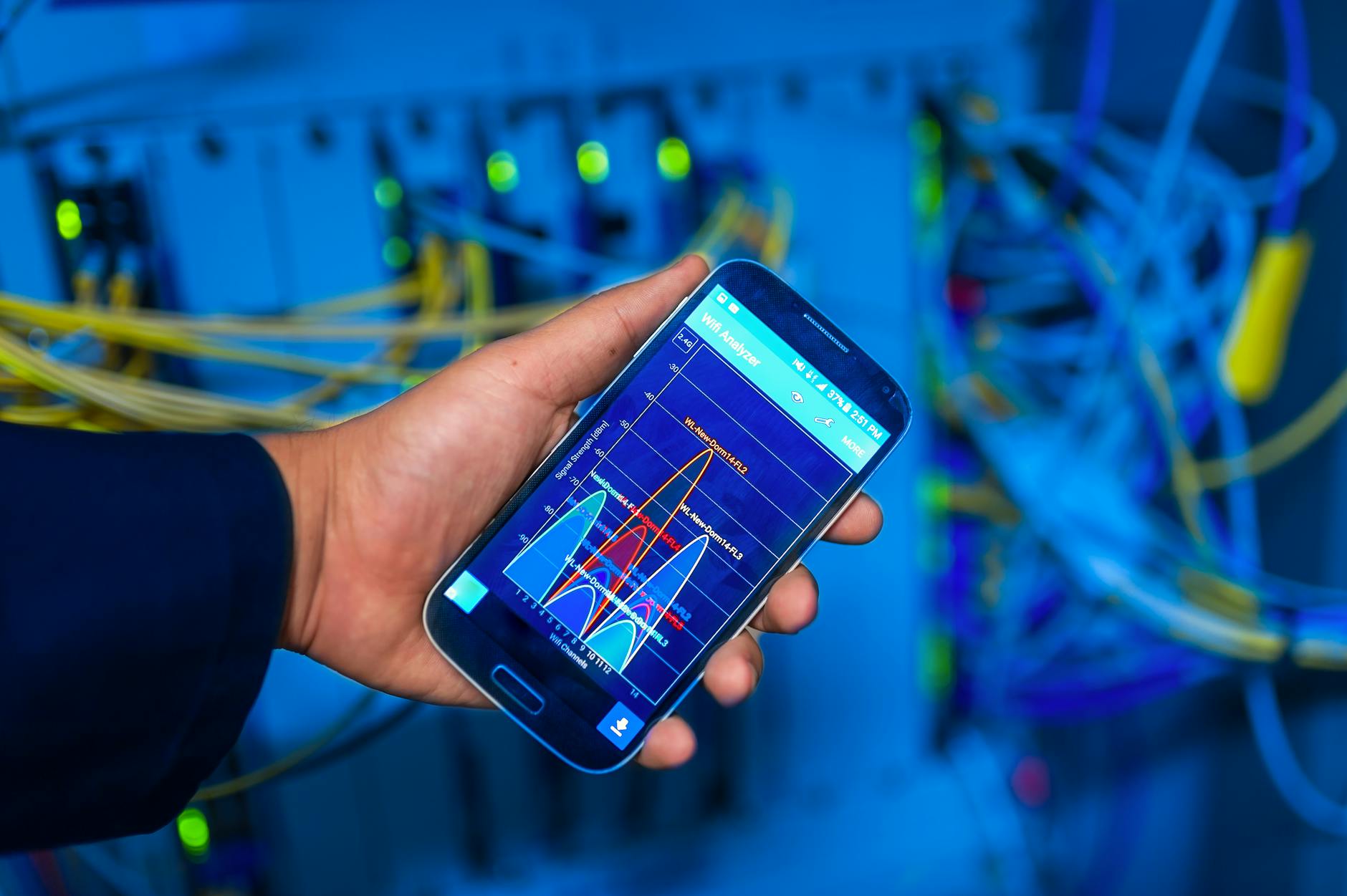
- Failing to Monitor Performance: 5G networks are highly complex, which means they require careful monitoring to ensure optimal performance. Make sure you're using the right tools to monitor your network and identify potential issues.
Frequently Asked Questions
Q: What is the difference between 5G and 4G?The main difference between 5G and 4G is the speed and latency of the network. 5G offers significantly faster speeds and lower latency than 4G, making it possible to support a wide range of new use cases.
Q: Is 5G secure?
Like any network, 5G is not completely secure. However, 5G networks are designed with security in mind, and there are many steps you can take to mitigate security risks and protect your network.
Q: What are some common use cases for 5G?
Some common use cases for 5G include enhanced mobile broadband, massive machine-type communications, and ultra-reliable low-latency communications.
Q: When will 5G be widely available?
5G is already widely available in many parts of the world, with many carriers offering 5G services in multiple countries.
Final Thoughts
In short, 5G networks are transforming mobile technology in ways that will fundamentally change the way you live and work. As 5G continues to evolve, you can expect to see even more innovative use cases emerge – and it's essential to stay ahead of the curve to take full advantage of the benefits that 5G has to offer. Your next step is to start exploring how 5G can help you achieve your goals, whether that's improving customer experience, increasing efficiency, or driving innovation.