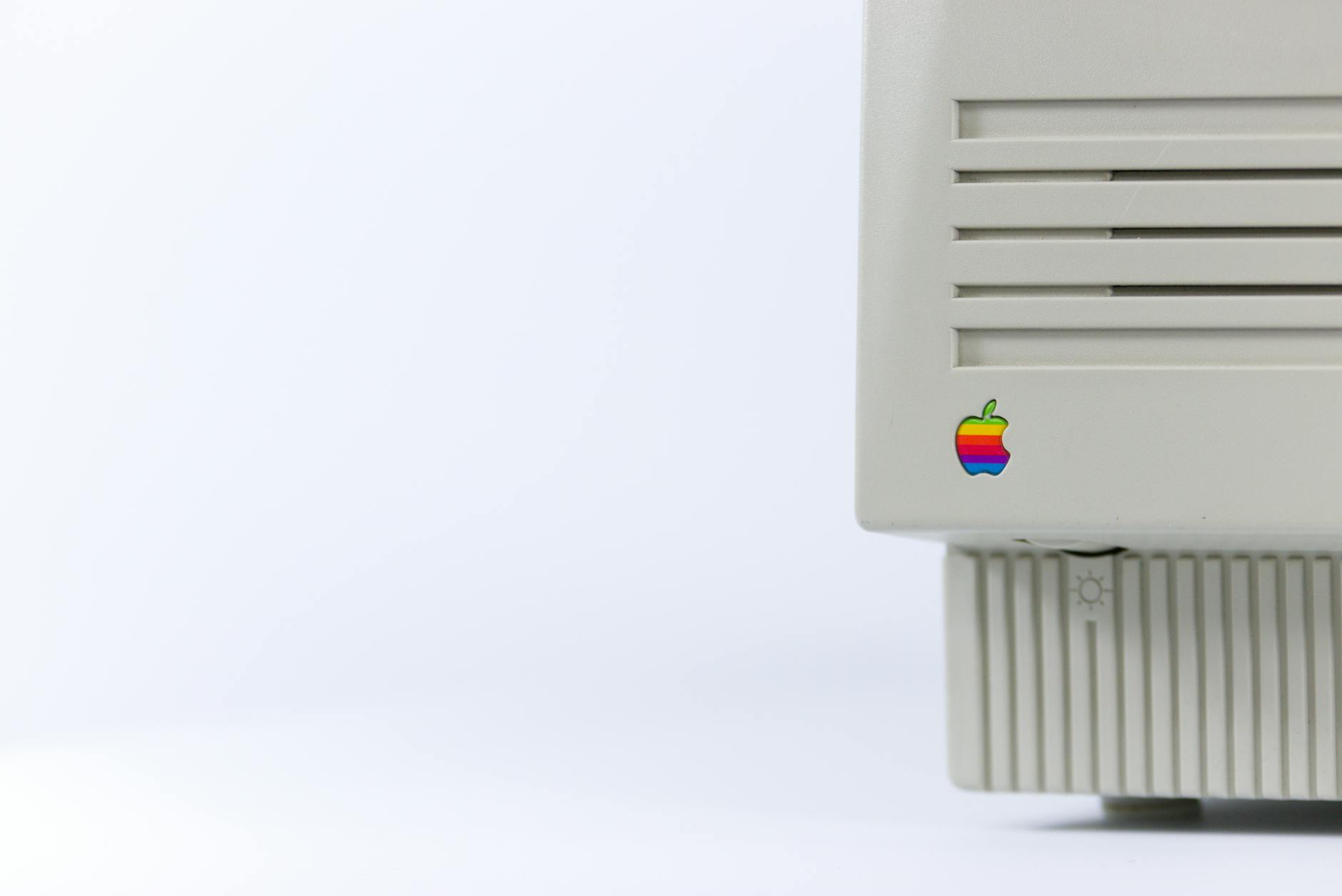
You might be surprised to learn that some of the most recognizable technology icons were designed with simplicity in mind, yet they've become synonymous with complex ideas and innovations. The Apple logo, for instance, is one of the most valuable brand icons globally, worth billions. But what makes these icons so effective, and how can you use them to elevate your brand's visual identity?
Understanding the Core Concept of Technology Icons
At their core, technology icons are visual representations of complex ideas, products, or services. They're designed to be instantly recognizable, conveying the essence of a brand or concept in a simple, yet powerful image. A great example is the Wi-Fi symbol, which has become ubiquitous in our daily lives. This icon has been designed to be easily recognizable, even in small sizes, making it a perfect example of effective icon design.Key Factors: How Technology Icons Work and Why They Matter
So, what makes technology icons so effective? It all comes down to a combination of factors, including simplicity, consistency, and context.The Power of Simple Design
A good technology icon should be easy to understand at a glance. Take the recycling symbol, for example. Its simple design makes it instantly recognizable, even across different cultures and languages. When designing icons, remember that less is often more. A cluttered or overly complex icon can be confusing and may not translate well across different mediums.Step-by-Step Guide to Creating Effective Technology Icons
Here are some best practices to keep in mind when creating your own technology icons:- Keep it simple: Avoid clutter and focus on the essential elements of your design. Think of the icon as a simplified representation of your brand or concept.
- Be consistent: Establish a consistent visual language across all your icons. This will help create a cohesive brand identity and make your icons more recognizable.
- Consider context: Think about how your icon will be used and where it will be displayed. A good icon should be legible in various sizes and resolutions.
Common Mistakes to Avoid When Using Technology Icons
One common mistake is to overuse icons or use them inconsistently. This can dilute the impact of your brand's visual identity and make your icons less recognizable. Another mistake is to neglect the cultural context of your icons. What works in one culture may not work in another, so it's essential to research and test your icons with your target audience.Frequently Asked Questions
Q: What makes a technology icon instantly recognizable?A combination of simple design, consistency, and context makes a technology icon instantly recognizable. Think of icons like the Apple logo or the Wi-Fi symbol, which are easily identifiable even in small sizes.
Q: How do I choose the right colors for my technology icon?
When choosing colors for your icon, consider the emotions and associations you want to evoke. Different colors can have different meanings across cultures, so it's essential to research and test your color scheme with your target audience.
Q: Can I use technology icons for branding purposes?
Yes, technology icons can be a powerful tool for branding. However, make sure to use them consistently and in a way that aligns with your brand's visual identity.
Q: How do I ensure my technology icon is scalable?
To ensure your icon is scalable, test it in various sizes and resolutions. A good icon should be legible and recognizable even when scaled down or displayed on different devices.
Final Thoughts
Mastering the art of technology icons can elevate your brand's visual identity and make your products or services more recognizable. By understanding the core concept of technology icons, following best practices, and avoiding common mistakes, you can create effective icons that resonate with your target audience. Take the first step today by assessing your current icon design and experimenting with new ideas to see what works best for your brand. As technology continues to evolve, the importance of iconic visual symbols will only continue to grow.