
You might be surprised to learn that over 90% of students in the United States have access to a computer or tablet at school, but only 20% of teachers feel confident in their ability to effectively integrate technology into their teaching practices. This disconnect highlights a critical challenge in education: harnessing the power of technology to improve learning outcomes. As you explore the role of technology in education, you'll discover how it can enhance the learning experience, increase accessibility, and improve student outcomes.
The Core Concept: Enhancing Learning with Technology
At its core, the integration of technology in education is about using digital tools to support teaching and learning. This can range from simple applications like educational apps and online resources to more complex systems like learning management platforms and virtual reality experiences. For example, a study by the National Center for Education Statistics found that students who used digital tools to complete assignments and engage with course materials showed a 20% increase in academic achievement compared to their peers who did not use these tools.
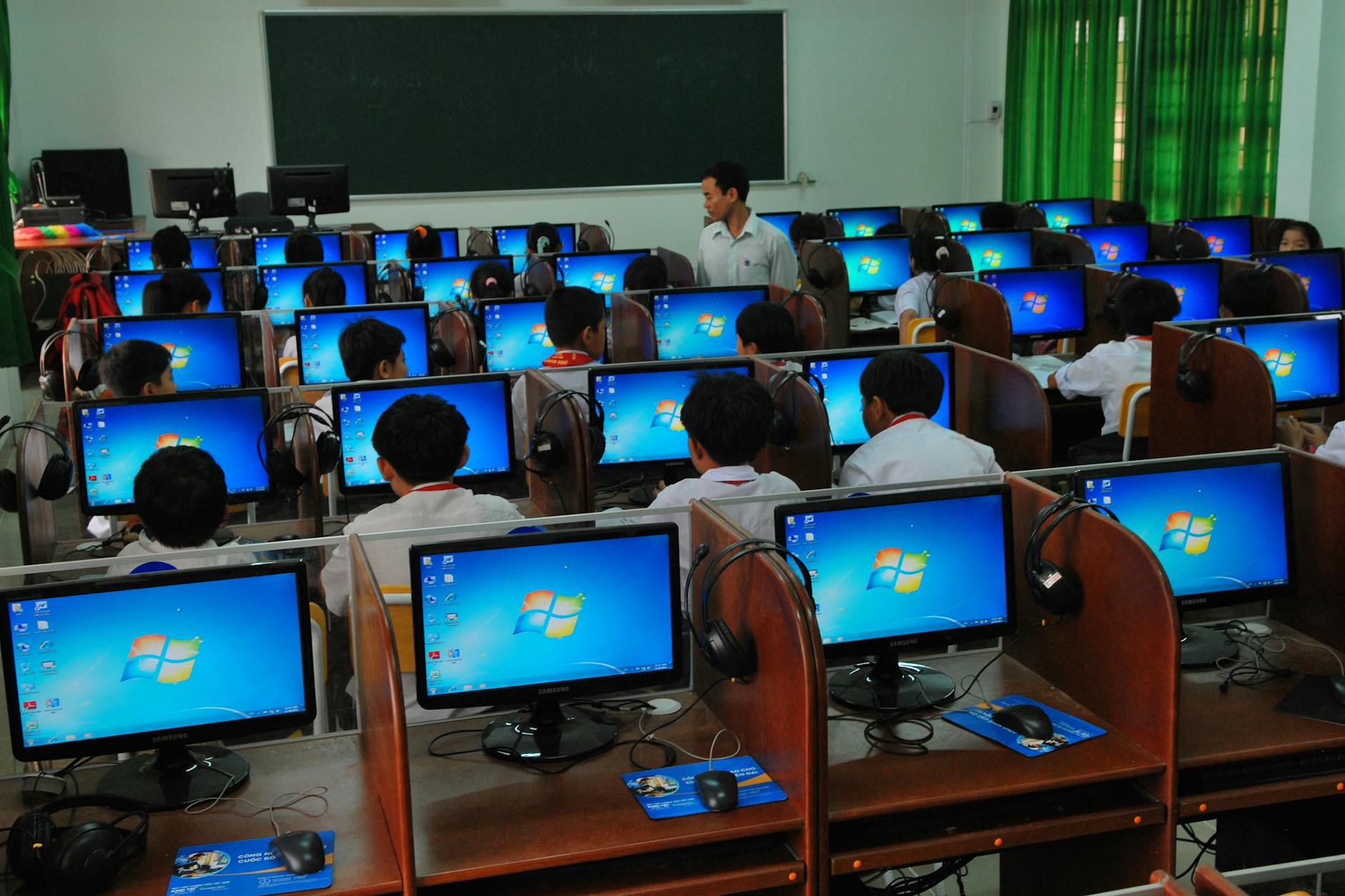
Key Factors: How Technology Supports Learning
So, how does technology actually support learning? One key factor is personalization. With technology, you can tailor the learning experience to individual students' needs, abilities, and learning styles. For instance, adaptive learning software can adjust the difficulty level of course materials based on a student's performance, providing real-time feedback and support.
Practical Tip: Using Educational Apps
One practical way to integrate technology into your teaching practice is to use educational apps. There are countless apps available that cater to different subjects and age groups. For example, apps like Khan Academy and Duolingo provide interactive lessons and exercises that students can complete on their own or as part of a class. When selecting an app, consider the following factors:
Alignment with learning objectives
Engaging and interactive content
Ability to track student progress and provide feedback
Step-by-Step Guide: Implementing Technology in the Classroom
Implementing technology in the classroom can seem daunting, but it doesn't have to be. Here are some steps to get you started:

- Assess your goals: What do you want to achieve with technology? Do you want to improve student engagement, increase accessibility, or enhance assessment and feedback?
- Explore available tools: Research different digital tools and platforms that align with your goals. Consider factors like ease of use, cost, and compatibility with existing systems.
- Develop a plan: Create a plan for implementing technology, including training for teachers and support for students.
- Pilot and evaluate: Pilot your technology implementation with a small group of students or teachers, and evaluate its effectiveness before scaling up.
Best Practices: Tips for Successful Technology Integration
Here are some best practices to keep in mind when integrating technology into your teaching practice:
- Start small: Begin with a single tool or platform and gradually expand to others.
- Focus on pedagogy: Technology should support your teaching goals, not drive them.
- Provide support: Offer ongoing training and support for teachers and students to ensure successful adoption.
- Monitor progress: Regularly evaluate the effectiveness of technology integration and make adjustments as needed.
Common Mistakes: What to Avoid
When integrating technology into education, it's easy to make mistakes. Here are some common pitfalls to avoid:
Over-reliance on technology: Technology should supplement, not replace, traditional teaching methods.
Insufficient training: Teachers and students need ongoing support to effectively use digital tools.
Lack of clear goals: Without clear goals, technology integration can feel disjointed and ineffective.
Frequently Asked Questions
Q: What are the benefits of using technology in education?
The benefits of using technology in education include increased accessibility, improved student engagement, and enhanced learning outcomes. Technology can also help teachers personalize instruction, streamline administrative tasks, and provide real-time feedback.

Q: How can I ensure that technology integration is effective?
To ensure effective technology integration, focus on pedagogy, provide ongoing support for teachers and students, and regularly evaluate progress. It's also essential to align technology use with clear learning objectives.
Q: What are some common challenges to technology integration?
Common challenges to technology integration include insufficient training, lack of access to devices or internet, and concerns about digital equity. Additionally, teachers may struggle to effectively integrate technology into their existing teaching practices.
Q: How can I address digital equity concerns in my school or district?
To address digital equity concerns, consider implementing initiatives like device lending programs, internet access subsidies, or digital literacy training. You can also work with community organizations to provide resources and support for students and families.
Final Thoughts
As you consider the role of technology in education, remember that it's not a replacement for effective teaching, but rather a powerful tool to support and enhance learning. By focusing on pedagogy, providing ongoing support, and regularly evaluating progress, you can harness the power of technology to improve student outcomes and create a more engaging, accessible, and effective learning environment. Take the first step today by exploring available tools and platforms, and start transforming your classroom into a hub of innovation and learning.
